Can You Use a Shop Vac to Detail a Car?
Yes, a shop vac for car detailing can remove loose dirt from mats, carpets, seats, and gaps. Choose attachments that fit your hose, protect delicate surfaces, and follow the vacuum's wet pickup instructions for liquids.
On this page (8 sections)
- What can a shop vac clean in a car?
- How do you choose a shop vac for car cleanup?
- Which vacuum suits your parking and cleanup routine?
- Which attachments work best for car detailing?
- How do you detail a car with a shop vac safely?
- Can you use a shop vac for wet car messes?
- How do you keep the vacuum ready for the next car clean?
- Is a shop vac for car detailing right for you?
Yes, a shop vac for car detailing can remove loose dirt, crumbs, and grit from mats, carpets, seats, and narrow gaps. Choose attachments that reach those areas without scraping trim, and follow the vacuum's instructions before collecting liquids.
For most car cleanup, hose reach, nozzle fit, and easy storage matter more than a large tank. A wet-dry vacuum also makes sense if you want one machine for the car and garage.
What can a shop vac clean in a car?
A shop vac can collect loose debris from floors, seat seams, door pockets, and the trunk. It won't wash upholstery or remove a dried stain just by passing a nozzle over it.
Remove coins, cables, parking slips, and other loose items first. Small objects can block a narrow tool, while a cable can catch as you work beneath a seat.
Take floor mats out so you can clean their edges and the carpet underneath. Move seats forward and back to expose hidden areas, keeping the nozzle clear of wiring and seat mechanisms.
Embedded hair and sand need a different approach from loose crumbs. Loosen them gently with a brush suited to the material, then vacuum in slow passes from more than one direction.
Our guide to how to use a shop vac covers the basic setup. For indoor cleaning too, shop vac vs regular vacuum explains which type suits each job.
How do you choose a shop vac for car cleanup?
Choose by power access, working reach, and storage space before tank size. A vacuum that is easy to bring outside is a better match for frequent cabin cleanup than one you struggle to move.
Should your car shop vac be cordless or corded?
Choose cordless if you park away from an outlet or move between vehicles. Choose corded if you clean beside a garage outlet and want to work without planning battery charging.
Check whether a cordless model includes its battery and charger. Sharing a compatible battery system can simplify the choice, but don't assume batteries from another brand will fit.
A corded vacuum needs a clear route for its cable. Plan where the machine will sit so neither the cord nor hose crosses a walkway or rubs against the car.
Our cordless shop vac guide compares options for cleaning without outlet access.
How much tank capacity does a car need?
A small tank is practical for routine crumbs and grit because car cleaning usually involves more reaching than bulk collection. A larger tank earns its space when you also collect garage debris or permitted liquid spills.
Measure the storage spot and consider how you'll carry the vacuum there. Tank capacity doesn't tell you whether its body will fit beneath a shelf or beside garage equipment.
See our shop vac size guide for help weighing gallons, airflow, and motor figures. Don't use peak horsepower alone to choose a car-cleaning machine.
Which vacuum suits your parking and cleanup routine?
The Craftsman suits outlet-free cleanup, while the DeWalt suits a garage-based routine with other wet-dry jobs. Choose the machine first, then add accessories only where its included tools leave a gap.
Craftsman CMCV002B: for carrying around a parked car
The Craftsman CMCV002B V20 has a 2-gallon tank, weighs 9.3 lb, and includes a 7 ft 8 in hose. Its onboard hose and accessory storage helps keep the cleaning kit together between uses.
Pick it for regular crumbs, tracked-in dirt, and trips between your storage area and parking spot. It includes a wide nozzle and crevice tool, so you can start with broad surfaces and seat gaps.
The battery and charger are sold separately. Skip it if you want a complete cordless setup in one box, or if you prefer a cord for longer sessions without battery swaps.
DeWalt DXV06P: for a garage and car
The DeWalt DXV06P has a 6-gallon tank, a 7 ft hose, and a 10 ft power cord. Rubberized casters let you reposition the body as you move around the vehicle.
Choose it if you have nearby power and want one vacuum for floor mats, the trunk, and garage debris. It includes floor, utility, and crevice nozzles, plus extension wands for work outside the cabin.
Skip it if your parking spot lacks convenient power or your storage space favors a smaller carryable unit. Install the required filter before operation, and follow the manual when changing between dry and wet pickup.
Compare alternatives in our guide to shop vacs for car detailing.
Which attachments work best for car detailing?
Use a crevice tool for gaps, a wider nozzle for mats, and a soft brush for suitable delicate surfaces. Clean the tools before bringing them into the cabin, especially if they've collected garage grit.
DeWalt detailing kit: for more reach and tool choices
The DeWalt 8-Piece Car Detailing Hose Kit adds a 14.75 ft flexible hose, soft and stiff brushes, a flexible crevice tool, a claw utility nozzle, and connection pieces. DeWalt says it fits most wet-dry vacuums with 1-1/4 in, 1-7/8 in, and 2-1/2 in hoses.
Choose it if your current hose makes you reposition the vacuum repeatedly or your nozzles are awkward inside the cabin. Dry-fit the hose ends and adapter before starting so a loose connection doesn't interrupt the job.
Skip it if your current tools already reach every area you clean. Reserve the stiff brush for suitable tougher surfaces, such as wheels, and keep wheel-cleaning tools separate from interior tools.
Shop-Vac micro kit: for small seams and recesses
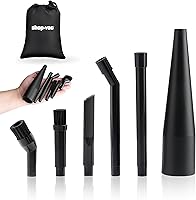
The Shop-Vac Micro Cleaning Nozzle Kit suits dust in console seams and other small recesses. It includes straight and angled extensions, round and oval brushes, a crevice tool, and a storage bag.
Its cone adapter requires a 1-1/4 in outside-diameter hose or wand, and the other 5 tools connect through that adapter. Measure the outside of the connection rather than its opening.
Choose it as a finishing kit after larger debris is gone. Skip it for whole-floor cleaning or chunky crumbs, which can block the tiny openings.
For help avoiding duplicate tools, see our guide to useful shop vac accessories.
How do you detail a car with a shop vac safely?
Work from upper surfaces down to the floor, then replace the clean mats last. This keeps dust dislodged from seats and trim from landing on finished carpet.
- Prepare the vacuum. Check the filter, tank, hose, and tool connections for the intended dry cleanup.
- Clear the cabin. Remove loose belongings and mats, then collect larger scraps by hand.
- Clean seats and trim. Use light pressure and avoid pressing tools into controls, ports, or speaker grilles.
- Reach beneath seats. Reposition each seat to expose the floor without tugging wires or reaching into moving mechanisms.
- Finish carpets and mats. Use slow, overlapping passes, then inspect corners before putting mats back.
Keep the vacuum body stable beside the car instead of pulling it around by the hose. Leave enough slack that the hose won't drag across door trim or paint.
Avoid using the blower inside the cabin, where it can scatter grit into vents and seams. Never collect hot ash, burning material, gasoline, solvents, or other flammable liquids.
Can you use a shop vac for wet car messes?
Use wet pickup only with the correct vacuum setup and only for materials its manual allows. Both vacuums covered here support wet and dry cleanup, but filter changes and tank limits need model-specific instructions.
Don't assume a dry dust bag or filter should stay in place for liquids. Follow the manual, keep electrical connections dry, and stop when the machine reaches its wet pickup limit.
A wet-dry vacuum isn't a carpet extractor that sprays cleaning solution. Removing a surface spill also doesn't prove that foam or padding beneath the upholstery is dry.
Remove mats and let affected areas dry fully before covering them again. Read can a shop vac vacuum water? before tackling liquid cleanup.
How do you keep the vacuum ready for the next car clean?
Empty debris and clear restrictions before storage so the next cleanup starts with an open airflow path. If pickup weakens, check the nozzle, hose, tank, and filter before blaming the motor.
Disconnect power or remove the battery before clearing a blockage. Check narrow tools first, since a small scrap can cover much of their opening.
Clean filters only as the manual directs, and let washable parts dry fully before reassembly. After wet pickup, empty and dry the tank instead of leaving dirty water sealed inside.
Wipe grit from attachments and return small tools to their storage spots. Keep brushes used on oily garage surfaces away from upholstery.
Is a shop vac for car detailing right for you?
Choose a shop vac for car detailing if you want cabin cleanup and garage utility from one machine. A dedicated car vacuum may suit you better if storage inside the vehicle is your main need.
Pick the Craftsman for portable cordless cleanup, or the DeWalt vacuum for work near an outlet. Add the DeWalt hose kit for reach, and choose the Shop-Vac micro kit only when small detail areas justify it.
Before buying, check your power access, storage space, and hose connections. Our shop vac buyer's guide helps you match the final choice to the other cleanup jobs you need it to do.
Frequently asked questions
Can I use a shop vac on car seats?
Yes, a shop vac can remove dry crumbs and loose dirt from car seats when the upholstery care instructions allow vacuuming; use a clean soft brush, work gently along seams, and avoid pulling at loose stitching. Wet pickup requires separate checks of the seat material and vacuum setup.
Is a shop vac too powerful for a car interior?
A shop vac can clean a car interior, but nozzle choice and pressure matter around delicate parts; use a clean brush on suitable surfaces, avoid loose trim and fabric edges, and keep hard nozzle rims away from finishes. Stop if an attachment catches fabric or shifts a panel.
Can a shop vac pick up water from a car?
A wet-dry vac can collect water when its manual allows the task and you use the required filter setup; keep electrical connections dry and stop at the tank's wet pickup limit. Extracting surface water doesn't ensure that carpet padding is dry, so deal with trapped moisture before replacing mats.
What attachment is best for car detailing with a shop vac?
A crevice tool is the first attachment to choose for seat gaps, carpet edges, and console corners; add a soft brush for suitable upholstery and trim, plus a wider nozzle for mats. Check connection sizes before buying, including whether a measurement refers to the inside or outside diameter.