5 Best Shop Vacs for Car Detailing (October 2026)
The best shop vacs for car detailing include the DeWalt DXV06P 6-Gallon Wet/Dry Vac for shared garage cleanup, the Vacmaster VFB511H 5-Gallon Wet/Dry Vac for detailing larger vehicles, and the Craftsman CMCV002B V20 2-Gallon Cordless Wet/Dry Vac for quick driveway cleanups.
On this page (8 sections)
- How we chose shop vacs for car detailing
- The best shop vacs for car detailing
- How to choose the best shop vac for car detailing
- How to set up a shop vac for a car interior
- Can these shop vacs remove spills and clean upholstery?
- Common car detailing mistakes to avoid
- How to keep a detailing shop vac ready for the next job
- Which is the best shop vac for your car detailing routine?
The best shop vac for car detailing for most people is the DeWalt DXV06P, because its nozzle set suits both vehicle interiors and shared garage cleanup. Choose the Vacmaster VFB511H for its car tool and longer combined reach, or the cordless Craftsman for short jobs away from an outlet.
The right choice depends on where you park, what collects inside your car and how much equipment you want to store. A family car with crumbs in seat gaps needs different tools from a work vehicle carrying grit and bulky debris.
Start with our guide to using a shop vac to detail a car if you need the basic process. Our shop vac accessories guide explains which tools help with narrow spaces and different surfaces.
Our picks at a glance
-
1

-
2
 Best for detailing larger vehicles
Vacmaster VFB511H 5-Gallon Wet/Dry Vac
8.5/10 our score
See it on Amazon -
3
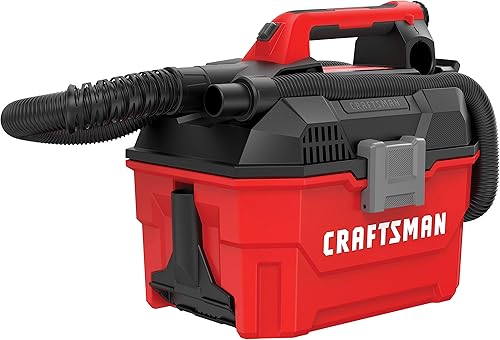 Best for quick driveway cleanups
Craftsman CMCV002B V20 2-Gallon Cordless Wet/Dry Vac
8.5/10 our score
See it on Amazon
- 4
 Check it
Craftsman CMXEVBE17040 4-Gallon Wet/Dry Vac
Best for routine interior detailing - 5
 Check it
Shop-Vac 5761311 12-Gallon Wet/Dry Vac
Best for busy garage workspaces
How we chose shop vacs for car detailing
Interior access and practical setup drove these choices, followed by tank size and usefulness around the garage. BriskErrand compared included attachments, hose and cord reach, storage features and power source.
The scores reflect those features and how well each vacuum fits vehicle cleanup. A higher score favors a broader fit, while a lower-ranked model can still be the better buy for a specific parking space or routine.
We favored tools that let you move from mats to seat gaps without a large extra accessory order. We also separated quick cordless cleanup from longer corded sessions, since those solve different needs.
For options beyond vehicle interiors, see our guide to the best shop vacs.
| Product | Best for | Capacity | Power cord | Hose | Our score |
|---|---|---|---|---|---|
| DeWalt DXV06P 6-Gallon Wet/Dry Vac | shared garage cleanup | 6 gallons | 10 ft | 7 ft | 8.8 |
| Vacmaster VFB511H 5-Gallon Wet/Dry Vac | detailing larger vehicles | 5 gallons | 7 ft | 8.5 | |
| Craftsman CMCV002B V20 2-Gallon Cordless Wet/Dry Vac | quick driveway cleanups | 2 gallons | 7 ft 8 in | 8.5 | |
| Craftsman CMXEVBE17040 4-Gallon Wet/Dry Vac | routine interior detailing | 4 gallons | 15 ft | 7 ft | 8.4 |
| Shop-Vac 5761311 12-Gallon Wet/Dry Vac | busy garage workspaces | 12 gallons | 7 ft | 7.9 |
The best shop vacs for car detailing
The DeWalt is the strongest all-purpose choice, while the other picks solve more specific detailing needs. Choose by your work area and tool needs rather than moving down the list by tank size.
DeWalt DXV06P 6-Gallon Wet/Dry Vac: Best for shared garage cleanup
- 6-gallon tank
- 10 ft power cord
- 7 ft hose
- Floor, utility and crevice nozzles included
A useful choice for drivers who want one vacuum for vehicle interiors and garage floors. Its crevice, utility and floor nozzles cover narrow gaps and broader cleanup.
Pros
- Crevice nozzle and two extension wands included
- Rubberized swivel casters
- Built-in blower port
Cons
- Requires an outlet
- No dedicated car nozzle among the included tools
The DeWalt DXV06P suits drivers who want one vacuum for the car, garage floor and occasional small cleanup jobs. Its crevice, utility and floor nozzles cover tight gaps, loose debris and open surfaces without making the kit car-only.
The 6-gallon tank provides useful room for shared cleanup, and rubberized swivel casters help with repositioning. At 14.8 lb, the empty vacuum still deserves a planned storage spot if you need to carry it between floors.
Its 10 ft power cord and 7 ft hose make outlet placement worth checking before you buy. Put the body beside the door you're working through rather than pulling the hose across the entire cabin.
Choose this model if your normal session ends with cleaning the garage area around the car. The blower port adds another workshop use, though suction is the better approach for collecting dirt inside the cabin.
Skip it if you mainly want a ready-made car nozzle and dusting brush kit, or if reaching an outlet is the main obstacle. DeWalt also instructs you to install the filter before switching the vacuum on.
Vacmaster VFB511H 5-Gallon Wet/Dry Vac: Best for detailing larger vehicles
- 5-gallon tank
- 25 ft of combined cleaning reach
- Car, utility and crevice tools included
- On-board hose, cord and accessory storage
The car and crevice tools suit seats, mats and tight gaps, while combined cord and hose reach helps with placement around a vehicle. On-board storage keeps the kit together.
Pros
- Car, utility and crevice tools included
- Kink-resistant hose
- Cartridge filter and dust bag included
Cons
- Requires an outlet
- Combined reach is not the length of the hose
The Vacmaster VFB511H is a useful choice for drivers cleaning several seating rows or moving between the cabin and cargo area. Its car, utility and crevice tools cover the main interior jobs, so you can choose by surface instead of forcing one nozzle into every space.
The 25 ft cleaning reach combines the power cord and hose. The flexible hose itself is 7 ft long, so expect to reposition the vacuum around a larger vehicle rather than reach every corner from one spot.
Its kink-resistant hose helps with routing around open doors, and on-board storage keeps the cord, hose and accessories together. The 5-gallon body suits buyers who want a dedicated detailing setup that can also handle other cleanup.
Vacmaster says the high-efficiency cartridge filter and dust bag capture fine dust particles down to 1 micron. That is a filter claim, not whole-machine HEPA certification.
Choose it when included car tools and placement flexibility lead your checklist. Skip it if your parking spot has no convenient power source or you want a small vacuum to carry out for a few minutes at a time.
Craftsman CMCV002B V20 2-Gallon Cordless Wet/Dry Vac: Best for quick driveway cleanups
- Cordless 2-gallon tank
- 7 ft 8 in hose
- Wide nozzle and crevice tool included
- Battery and charger sold separately
A portable option for crumbs, loose dirt and small spills when a power cord would slow the job. Include a compatible battery and charger in your buying plan.
Pros
- Cordless operation
- Weighs 9.3 lb
- On-board hose and accessory storage
Cons
- Battery and charger sold separately
- Smallest tank in this group
The Craftsman CMCV002B fits short, frequent cleanups better than an equipment-heavy detailing routine. Cordless power lets you tackle crumbs after a trip or dirt in a footwell without routing a cable from the garage.
Its 2-gallon tank and 9.3 lb weight suit carrying and small debris jobs. The 7 ft 8 in hose lets you place the body outside the door while working inside, and the wide nozzle and crevice tool cover open areas and narrow gaps.
Craftsman specifies 35 CFM of airflow for this model. Use that as a stated specification, rather than assuming a direct performance ranking against models without comparable airflow figures.
The tool uses Craftsman's V20 system, with the battery and charger sold separately. Existing compatible batteries make it a more natural choice, but confirm compatibility before counting on tools you already have.
Choose it if easy access will help you clean more often. Skip it if you want long sessions without planning charging, or if larger shared garage jobs are the main reason you're buying.
For spills, read whether a shop vac can vacuum water before changing from dry cleanup to liquid pickup.
Craftsman CMXEVBE17040 4-Gallon Wet/Dry Vac: Best for routine interior detailing
- 4-gallon tank
- Car nozzle and dusting brush included
- 7 ft hose
- Accessory caddy
The car nozzle and dusting brush make this a useful starting kit for routine interior cleaning. Its attached caddy keeps the tools within reach between tasks.
Pros
- Car nozzle and dusting brush included
- Two extension wands included
- Attached accessory caddy
Cons
- Requires an outlet
- No dedicated crevice tool among the included accessories
The Craftsman CMXEVBE17040 suits drivers who want a corded vacuum with useful interior tools from the start. Its car nozzle and dusting brush make sense for broad fabric areas and suitable trim, while two extension wands help with reach.
The 4-gallon tank is a practical size for routine interior work without moving up to a large garage drum. Its 15 ft cord and 7 ft hose give you room to plan a working position beside the vehicle.
An attached caddy keeps tools together as you switch tasks. That matters if you clean in stages, since a brush left on a shelf is less useful than one you can reach when you need it.
Choose this model for regular mats, seats and trim cleanup near an outlet. Craftsman backs it with a 3-year limited warranty.
Skip it if a dedicated crevice tool is essential straight from the box, since the included accessory set does not name one. Also account for its 16 lb weight if you expect to carry it often.
For the storage and emptying tradeoffs, see what size shop vac you need.
Shop-Vac 5761311 12-Gallon Wet/Dry Vac: Best for busy garage workspaces
- 12-gallon tank
- 7 ft hose
- Built-in tank drain
- On-board cord and accessory storage
Choose this larger vacuum when vehicle cleaning shares space with broader garage and wet cleanup. The tank drain helps with liquid disposal, but the body needs more storage room.
Pros
- Largest tank in this group
- Built-in liquid drain
- Crevice tool and floor nozzle included
Cons
- 26.2 in tall
- Weighs 22.9 lb
The Shop-Vac 5761311 makes sense when car detailing is one task in a busy garage. Its 12-gallon tank and built-in drain favor broader dry cleanup and liquid collection over quick trips outside to remove a few crumbs.
The included crevice tool gives you an option for vehicle gaps. Extension wands and a floor nozzle also suit work outside the cabin, while a cartridge filter, foam sleeve and dry filter bag support different cleanup setups according to the manual.
This is the largest body to plan around here: 26.2 in tall and 22.9 lb empty. Four wheels help on a clear floor, but carrying it over a threshold or storing it under a low shelf needs thought.
Choose it if larger garage messes justify the space and you have a clear route around the car. The drain is useful when you can position the tank for controlled liquid disposal.
Skip it for mostly light interior work in a crowded parking bay. Extra tank volume does not improve access under a seat, and a full tank adds weight even when the empty body is manageable.
How to choose the best shop vac for car detailing
Choose tools that fit your interior and a body you can place beside the car before comparing motor labels. Then match the power source and tank to the length and size of your usual cleanup.
Which shop vac tools are best for car detailing?
A crevice tool and a broad nozzle form the most useful starting pair for car detailing. Add a suitable soft brush for dust on surfaces that permit brushing.
Use the narrow tool along seat rails, carpet edges and gaps beside the center console. Keep it away from loose wiring, seat controls and anything that could catch or come free.
A broad nozzle covers mats and seat cushions with fewer passes. For crumbs lodged in a seam, change to a smaller tool instead of pushing harder with the wide opening.
A brush can loosen dry dirt, but soft-looking bristles can still trap grit. Check that the tool is clean before touching trim, and follow the vehicle's care instructions for screens, glossy panels and coated surfaces.
If you plan to add attachments, check both the connection size and the fitting style. A tool that nearly fits can leak air or slip off while you're working.
How much tank capacity is useful?
A 4- to 6-gallon tank is a sensible starting point for regular car detailing and some garage work. Smaller tanks favor easy carrying, while larger ones earn their space through broader cleanup jobs.
Most routine interior dirt occupies little tank space. Bulk matters more if you also collect leaves, workshop debris or liquid, so think about the whole job rather than the size of the car alone.
Tank volume also differs from usable collection capacity. Leave room for the filter and follow the vacuum's fill limits rather than expecting the drum to hold its full stated volume during every task.
Measure your storage space with the hose and attachments accounted for. A vacuum that fits under a shelf only after you remove every accessory can become awkward to put away.
How should you compare hose and cord reach?
Measure the route from the outlet to the car, then check hose reach separately. A long power cord helps position the body, while the hose must reach into the cabin from that position.
Consider both sides of the vehicle and the open hatch. A hose stretched to its limit can pull the vacuum toward the paint or rub against a sill.
Extension wands help with straight access, but they can be awkward around seat backs and consoles. Flexible hose and a short nozzle usually give better control in confined spaces.
Avoid buying an extra-long hose simply to keep the vacuum in one corner. Added hose length and restrictive adapters can reduce airflow, so repositioning the body may be the better solution.
Should you choose corded or cordless power?
Choose corded power for longer sessions near an outlet, and cordless power for short jobs where setup is the main barrier. Neither choice removes the need for suitable tools and a clean filter.
For cordless models, include the battery and charger in your plan and check compatibility. Runtime depends on the battery and workload, so avoid planning a full session around an unsupported runtime estimate.
For corded models, plan a dry, clear cable route. If an extension cord is needed, follow the vacuum manual's requirements for cord size and length.
Do peak horsepower and airflow decide the winner?
Don't choose by peak horsepower alone. Airflow, suction, hose restrictions, filter condition and nozzle contact all affect how a vacuum collects dirt.
CFM describes airflow, while suction measurements describe a different part of vacuum performance. Compare like measurements under comparable conditions, rather than treating those numbers as interchangeable.
For a fuller explanation, read what CFM means on a shop vac. For buying purposes, start with a suitable tool set and workable reach, then use comparable performance figures to narrow similar options.
Can one shop vac clean both the car and garage?
Yes, if the tools suit the cabin and the body fits your garage work. Keep dirty floor tools separate from anything you use on seats or trim.
A floor nozzle helps with open garage areas, while a crevice tool serves narrow interior gaps. Clean the attachment before changing surfaces so workshop grit does not travel into the car.
If tool-connected woodworking cleanup is also part of the plan, compare shop vacs for dust collection. That job adds hose connections and dust-handling needs beyond vehicle detailing.
How to set up a shop vac for a car interior
Start with a clear cabin, the correct dry-pickup filter setup and the vacuum beside an open door. A few minutes of preparation saves repeated passes and reduces the chance of losing small items.
Clear the cabin before switching on
Remove rubbish, coins, cables, loose toys and anything you want to keep. Check beside and under seats before moving them, especially where objects can jam the rails.
Take out the floor mats and clean them separately. This exposes the carpet beneath them and keeps loose grit from falling back into a finished footwell.
Move seats only as the vehicle instructions allow. Keep the nozzle clear of under-seat wiring and connectors, and avoid forcing tools into spaces you cannot see.
Prepare the vacuum for dry debris
Check that the tank is empty enough for the job and the filter is installed correctly. Use a compatible collection bag where the manual allows one, especially when handling fine dry dirt.
Inspect the hose for cracks, blockages and loose connections before blaming weak pickup on the motor. A lodged scrap or poorly seated lid can interrupt an otherwise straightforward cleanup.
Place the body on stable ground with room for the door to move. Keep the hose off sharp edges and avoid dragging it across painted panels.
Our guide to how to use a shop vac covers the general setup if this is your first wet/dry vacuum.
Work from upper areas toward the floor
Vacuum suitable seat surfaces before the footwells so falling crumbs do not spoil finished carpet. Use short, controlled passes and change tools when the shape of the area changes.
Remove loose debris before brushing stubborn dry dirt. Then gently loosen trapped material with a surface-safe brush and collect it, instead of grinding grit farther into the fabric.
For sand in carpet, work in more than one direction. Repeated slow passes after gentle brushing are more useful than pressing the nozzle down until it blocks airflow.
Finish the exposed floor, then return clean, dry mats. Check under the front edges of the seats once more before putting your tools away.
Can these shop vacs remove spills and clean upholstery?
Wet/dry pickup can collect liquid, but it does not turn these vacuums into upholstery washers. None of these included tool sets provides a spray-and-extract cleaning system.
For a suitable fresh spill, first check the vehicle's care instructions and keep liquid away from switches, wiring and seat electronics. Remove excess liquid without flooding the area with more cleaning solution.
Switch off and disconnect power before changing the vacuum's collection setup. Follow its manual for the correct wet filter or sleeve, bag removal and liquid limits.
Do not assume a filter used for dry dirt is suitable for wet pickup. The required setup varies, and a soaked collection bag can fail or make disposal messy.
Keep the vacuum upright and stop at the manual's liquid limit. Afterward, empty the tank promptly and allow the hose, tank and suitable washable parts to dry fully.
A damp seat can remain wet below the surface after visible liquid is removed. Allow thorough drying before normal use, and follow the vehicle's guidance if liquid reached padding or electrical parts.
Never use a shop vac to collect fuel, solvents, hot ash or other hazardous material outside its approved uses. Ordinary car detailing does not require those risks.
Common car detailing mistakes to avoid
The biggest mistakes are using the wrong tool, stretching the hose and expecting suction to wash fabric. Correcting those habits is usually more useful than buying a larger tank.
Pressing the nozzle flat against fabric
A tight seal can block airflow and make the nozzle hard to move. Keep a controlled angle that lets air carry loosened debris into the opening.
If dirt remains, change direction or loosen it gently with a suitable brush. Don't scrape fabric with the edge of a hard nozzle.
Forcing a wide tool into a narrow gap
A broad nozzle can bridge a gap without reaching the dirt below it. Switch to a crevice tool rather than pushing against seat trim.
Stop if the tool catches on wiring, upholstery or a rail. Move the seat safely or approach from another direction.
Blowing dirt around the cabin
A blower can move dust into vents, switches and areas you cannot easily clean. Use suction inside the vehicle to collect debris where it sits.
If you use a blower for an approved garage task, keep it away from the finished interior. Otherwise, the next open door can bring dust straight back in.
Buying capacity instead of access
A bigger drum does not make a nozzle fit beneath a seat. Choose the model you can position, reach into the car with and store after the job.
The same applies to accessories: buy tools for a specific task. A large kit adds little value if most pieces stay unused.
How to keep a detailing shop vac ready for the next job
Empty debris, check the filter and store the equipment dry after each session. Consistent care protects airflow and keeps yesterday's garage dirt away from today's interior.
Switch off and disconnect power before opening the tank or checking for blockages. Empty it before debris packs tightly around the filter, and follow local disposal rules for the material collected.
Clean or replace filters according to the manual. Wash only filters approved for washing, and let them dry fully before reuse.
Inspect nozzle edges for chips and embedded grit. Wipe suitable tools clean before storing them, especially brushes and nozzles that touch seats or trim.
Coil the cord and hose without sharp bends, then return small tools to their holders. Leave equipment used for wet pickup open to dry in a suitable place before closing it for storage.
If pickup drops during a job, check the nozzle, hose, bag and filter in that order. Stop using the vacuum if it behaves abnormally, and follow its troubleshooting instructions.
Which is the best shop vac for your car detailing routine?
The best shop vac for car detailing is the one that matches your normal cleanup, including where you park and what else the vacuum must handle. Make the final choice by the task you repeat most often.
- Choose the DeWalt DXV06P for one vacuum that moves between vehicle interiors and garage floors.
- Choose the Vacmaster VFB511H for included car and crevice tools, with useful combined reach around a larger vehicle.
- Choose the Craftsman CMCV002B for short cordless cleanups, especially if you already have compatible V20 equipment.
- Choose the Craftsman CMXEVBE17040 for regular interior work with a car nozzle and dusting brush included.
- Choose the Shop-Vac 5761311 when broader garage and liquid cleanup justify a larger body.
Before ordering, measure your working position and storage space, then identify any attachment you still need. Use our car detailing guide to turn that equipment into a clear cleaning routine.
Our top 3 picks at a glance
-
1
-
2
Best for detailing larger vehicles
Vacmaster VFB511H 5-Gallon Wet/Dry Vac
8.5/10 our score
See it on Amazon -
3
Best for quick driveway cleanups
Craftsman CMCV002B V20 2-Gallon Cordless Wet/Dry Vac
8.5/10 our score
See it on Amazon
Frequently asked questions
What size shop vac is best for car detailing?
A 4- to 6-gallon shop vac is a useful middle ground for regular car detailing. Choose a smaller model for quick cleanups and easy carrying, or a larger tank for shared garage work; prioritize tools and placement around the vehicle before adding capacity you rarely need.
Do I need a special nozzle to detail a car?
A crevice tool and a broad car or utility nozzle cover most loose interior debris; a suitable soft brush helps with dust on durable trim, but check your vehicle's care instructions before contact with delicate surfaces. Our shop vac accessories guide explains which additions are worth considering.
Can I use a wet/dry vac on car seats?
A wet/dry vac can remove loose dirt and collect liquid from suitable car seats, but it does not wash upholstery. Follow the vehicle's care instructions and the vacuum's liquid-pickup setup; avoid soaking seats, especially around electrical parts, and use our car detailing guide to plan the work.
Is a cordless shop vac powerful enough for car detailing?
A cordless shop vac can handle routine crumbs and loose debris when its tools suit the job; the Craftsman CMCV002B is a practical choice for short cleanups away from an outlet. For longer sessions, plan battery charging and remember that its battery and charger are sold separately.
How much hose reach do I need for detailing?
You need enough flexible hose to reach the far footwell and cargo corners without pulling the vacuum against the car; measure from a safe floor position beside an open door. Check cord length separately, because combined cleaning reach includes the power cord and does not describe hose length alone.


